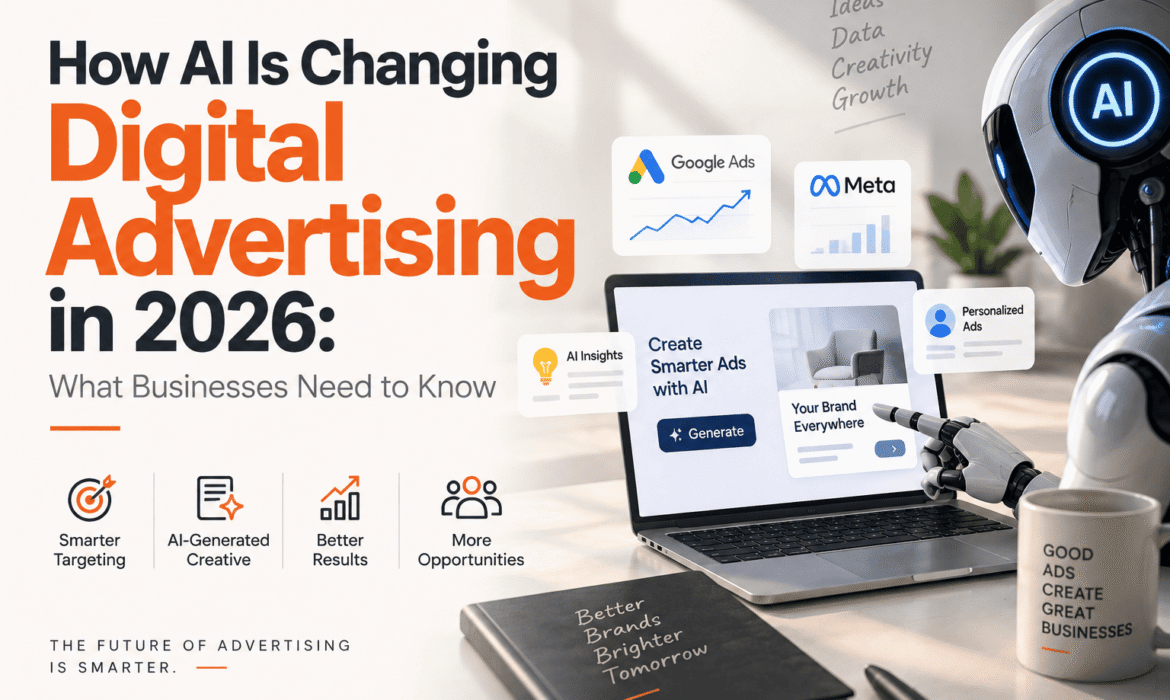
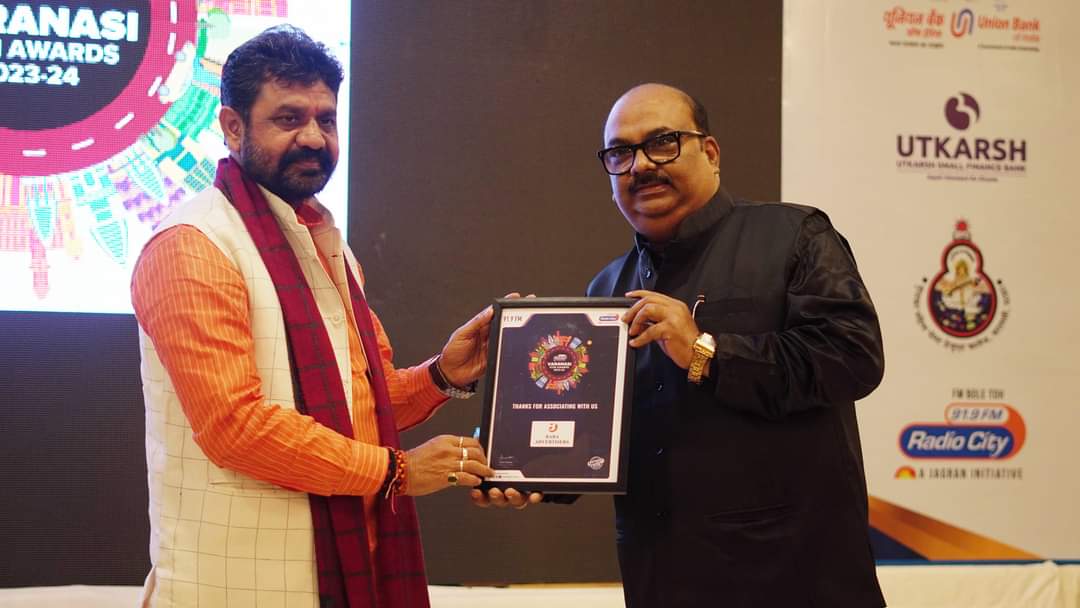
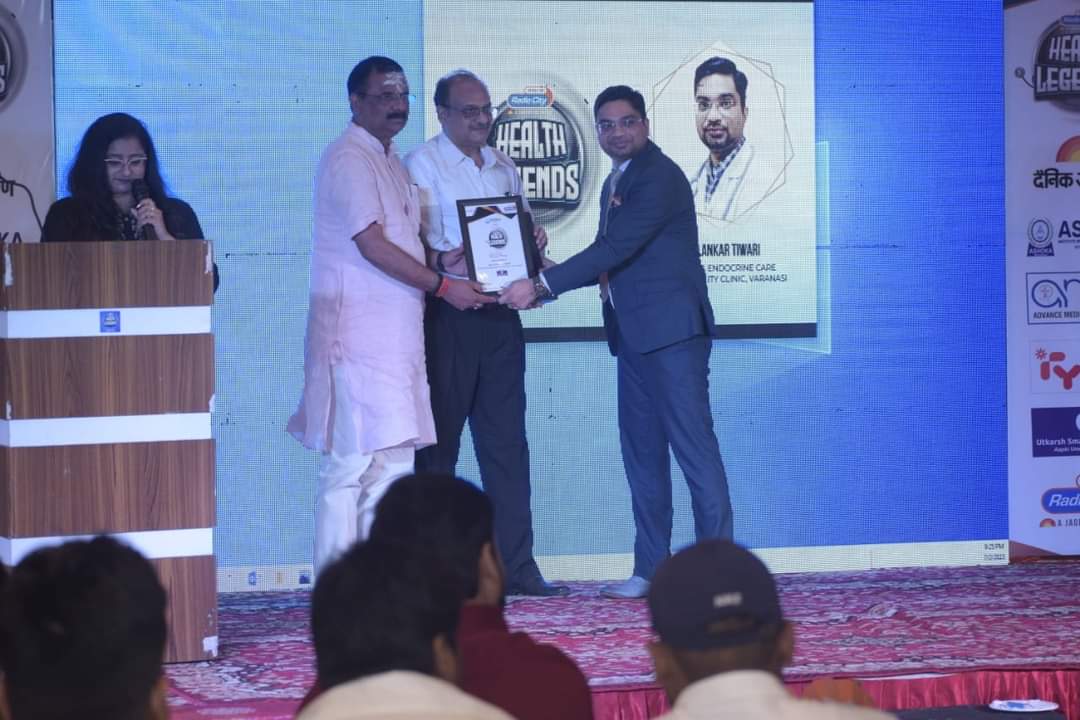
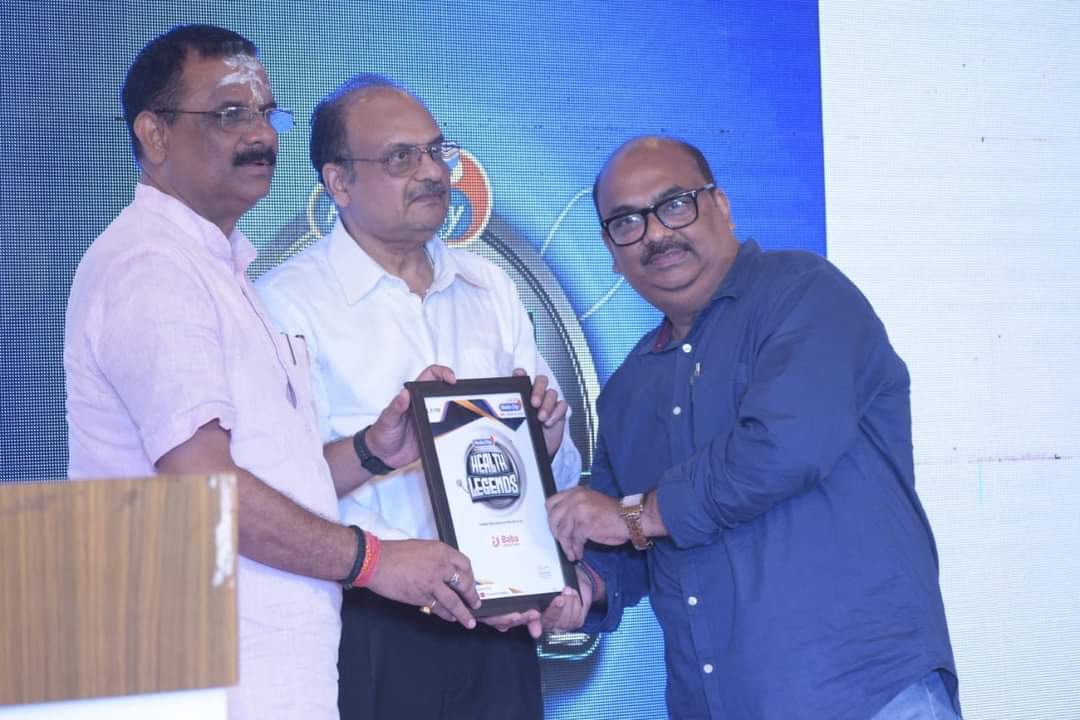
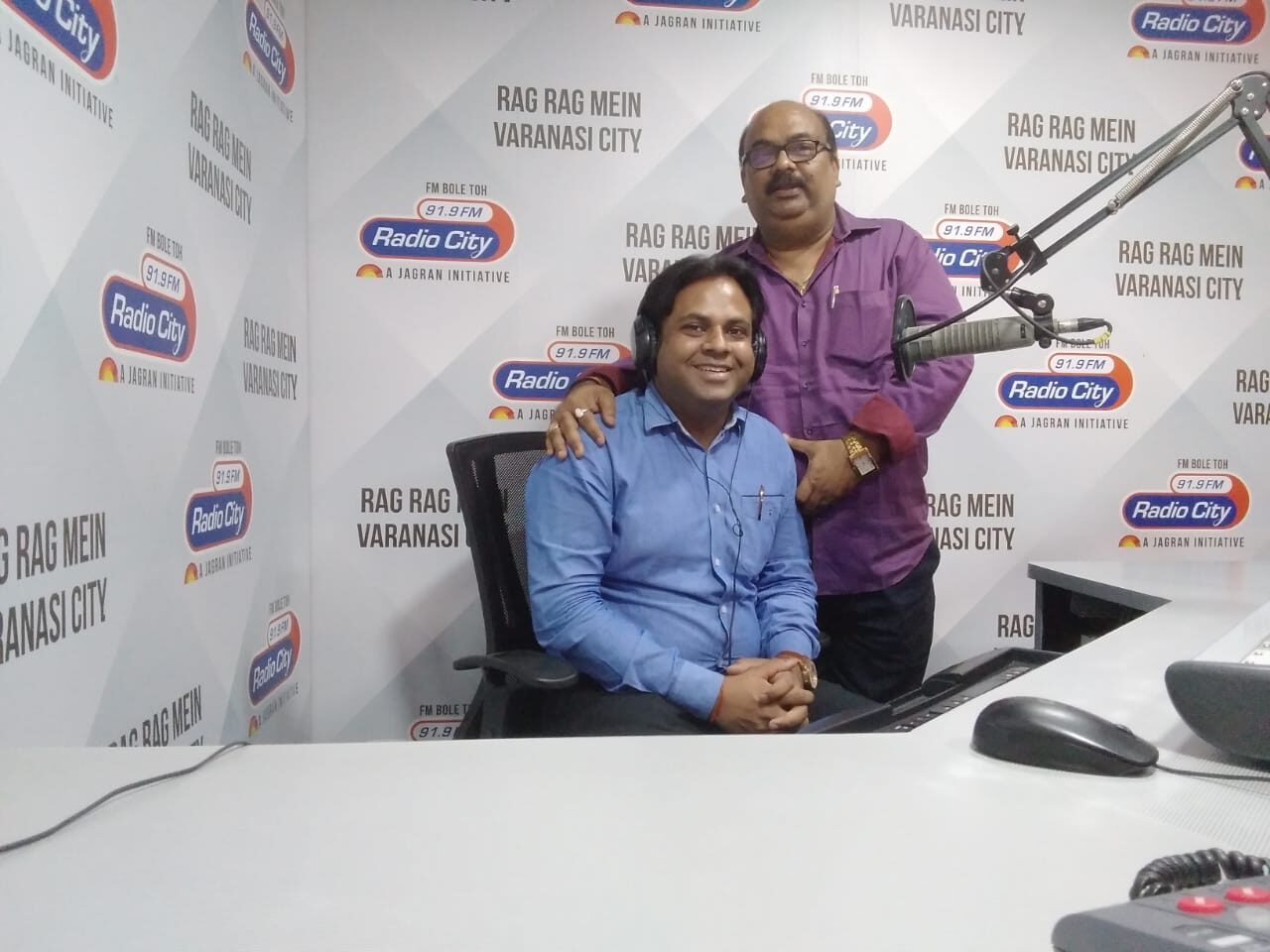
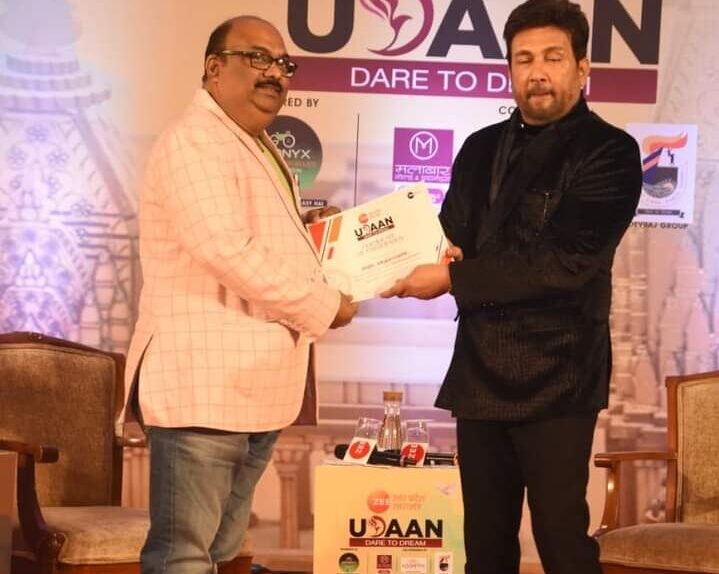
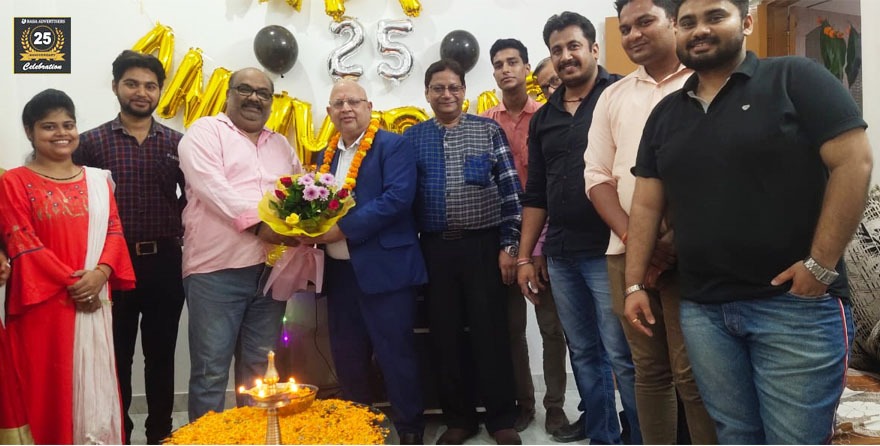

Based in Varanasi since 1997, BABA Advertisers is a leading advertising agency in Varanasi, India, with a rich legacy of driving remarkable sales for our clients through comprehensive digital advertising services.

So you’ve decided newspaper advertising is worth trying for your business — now what? Between choosing a publication, picking an ad size, and actually getting your ad designed and booked, the process can feel more complicated than it needs to be if you’ve never done it before. This guide walks through exactly how to advertise your business in a newspaper, step by step, from planning through publication day.
Before anything else, get clear on what you actually want this ad to achieve:
Your goal shapes almost every other decision that follows, including which publication and ad format make sense.
Not every newspaper reaches the same audience. Consider:
For most local businesses in Varanasi, a combination of a strong Hindi daily for broad local reach and a targeted supplement or weekend edition for a specific audience segment tends to work well.
Newspaper ads come in a few common formats:
Placement within the paper matters too — ads on early pages or within relevant sections (business, local news, lifestyle) generally perform better than those buried deep in less-read sections.
Ad costs are typically calculated per column centimeter or as a fixed rate for standard sizes. Larger, more prominent ads cost more but also capture more attention. It’s generally more effective to run a smaller, well-designed ad multiple times than a single large ad once, since repetition builds recognition in a way a single exposure often doesn’t.
A newspaper ad has a few seconds to capture attention, so design matters enormously:
A poorly designed ad in a great location will consistently underperform a well-designed ad in a decent one.
Booking typically involves confirming the publication, edition, date, size, and placement in advance, since popular slots — especially front-page or festival editions — can fill up ahead of time. Working with an agency that has established relationships with local publications, like Baba Advertisers’ newspaper advertising service, which has 200+ newspaper partnerships in Varanasi, generally means smoother booking and better rate negotiation than approaching a publication independently.
Newspaper advertising is harder to measure precisely than digital campaigns, but you can still gauge response:
Yes, in most cases. Newspaper advertising builds broad, trusted local awareness, but pairing it with digital advertising helps capture the audience that’s already seen your print ad once they start searching online for more information.
Choosing the right publication, ad type, and timing takes local market knowledge that’s difficult to build without experience. Baba Advertisers brings 28+ years of experience and 200+ newspaper partnerships in Varanasi, handling everything from strategy and design to placement, so your ad actually reaches the right audience at the right time.
How much does it cost to advertise in a newspaper? Costs vary significantly by publication, ad size, and placement, with regional and Hindi-language dailies generally more affordable than national English dailies for the same size ad.
What size should my first newspaper ad be? There’s no universal answer, but starting with a moderate, well-designed ad run multiple times is often more effective than a single large, expensive placement.
How far in advance should I book a newspaper ad? Booking at least a few days to a week in advance is generally advisable, and longer for premium slots like front-page placements or festival editions.
Can I track how many customers came from a newspaper ad? Yes, using a dedicated phone number, promo code, or simply asking new customers how they heard about you can help gauge response, even though it’s less precise than digital tracking.
Is it better to advertise in a Hindi or English newspaper? It depends on your target audience — Hindi dailies generally reach a broader, more local audience, while English dailies often skew toward urban, professional readers.
Related Reads:
Ready to advertise your business in the newspaper? Talk to Baba Advertisers — we’ll handle the strategy, design, and booking so your ad actually gets results.
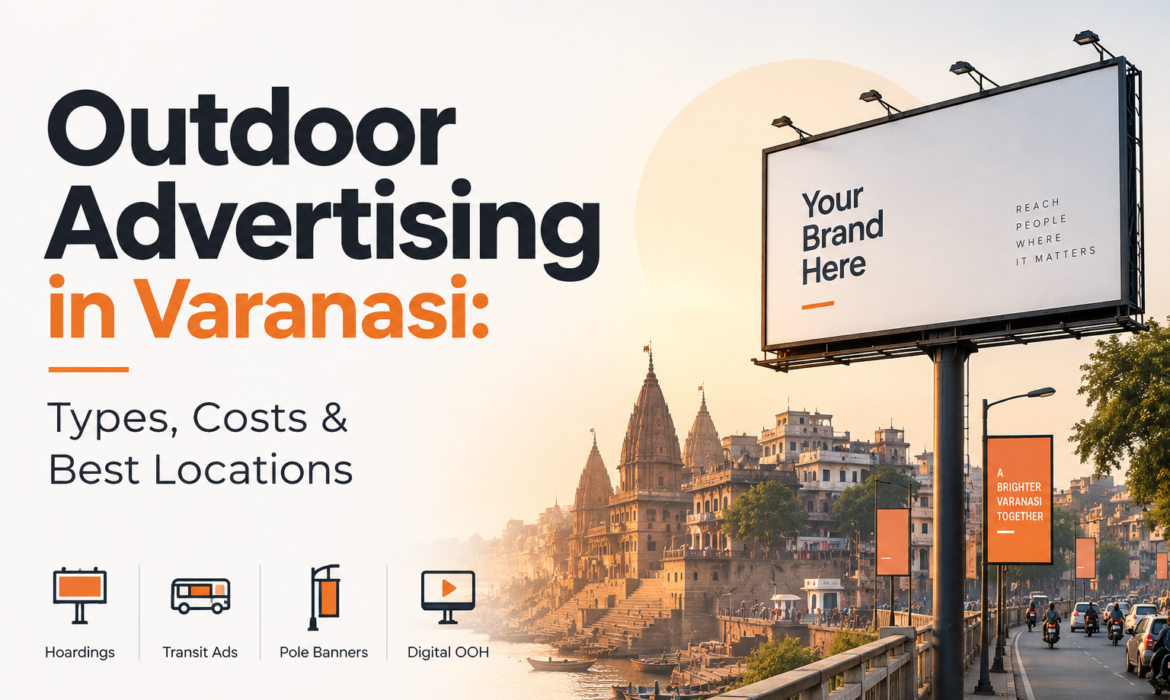
Varanasi’s traffic moves slowly, its streets stay crowded, and its landmarks draw a constant stream of both residents and visitors — conditions that make outdoor advertising genuinely effective here in a way it isn’t everywhere. Whether you’re considering a hoarding near a busy chowk or a bus shelter ad in a residential area, understanding the types, realistic costs, and best locations helps you plan a campaign that actually delivers visibility rather than just spending a budget.
Varanasi’s slow-moving traffic actually works in advertisers’ favor — commuters spend more time stuck at chowks and junctions than in many faster-moving cities, giving hoardings and billboards more time to register with viewers. The city also draws heavy foot traffic around religious and cultural landmarks, creating natural high-visibility zones that don’t exist in the same way in most other markets.
The most common and recognizable form of outdoor advertising, available in sizes ranging from around 14×10 ft to large 40×20 ft formats. These work well for broad brand awareness and are typically placed at major junctions and high-traffic roads.
Illuminated formats that extend visibility into the evening and night. Backlit hoardings glow from behind for a vibrant effect, while front-lit versions are evenly illuminated from the front — both particularly effective in busy commercial areas where evening foot traffic remains high.
Tall, single-pole structures often used at highway entry points and major roads, offering strong visibility from a distance and typically used for broader brand messaging rather than detailed information.
Ads placed at bus shelters combine outdoor visibility with a captive audience during wait times, making them effective for local businesses targeting commuters in specific neighborhoods.
Mobile advertising on autos and buses moves through multiple neighborhoods throughout the day, offering repeated exposure across a wider geographic spread than a single fixed hoarding.
Temporary panels placed around construction sites, serving a dual purpose of screening ongoing work while offering advertising space, often at a more accessible price point than premium fixed hoardings.
A growing format offering dynamic, rotating content, allowing multiple advertisers or messages on a single screen, and generally used in premium, high-footfall commercial zones.
| Format | Typical Monthly Cost Range |
|---|---|
| Standard hoarding (mid-size) | ₹15,000 – ₹1,20,000 |
| Premium hoarding (major junctions, front-lit) | ₹1,20,000 – ₹2,50,000 |
| Construction hoarding | ₹20,000 – ₹5,00,000 |
| Mobile billboard (per day) | ₹5,000 – ₹50,000 |
These are general market ranges based on current industry data and can shift significantly based on exact location, size, duration, season, and design complexity. Always confirm current, site-specific rates before finalizing a campaign.
Some of the most frequently selected high-traffic locations for outdoor advertising campaigns in Varanasi include:
Locations near ghats, major chowks, and university areas tend to command premium rates precisely because of their consistently high daily impressions, but they also deliver correspondingly stronger visibility for brands that need broad, repeated exposure.
Outdoor advertising builds broad, physical brand awareness, but it works best as part of a wider strategy rather than in isolation. Pairing outdoor placements with newspaper advertising reinforces the same message across multiple touchpoints, while digital advertising helps capture and convert people who’ve already seen your hoarding once they start actively searching online.
Choosing the right format, location, and budget for outdoor advertising takes local market knowledge that’s hard to build from general research alone. Baba Advertisers brings 28+ years of on-ground experience in Varanasi’s outdoor advertising landscape, helping businesses select locations and formats that genuinely match their goals rather than just filling space on a busy road.
How much does hoarding advertising cost in Varanasi? Costs typically range from around ₹15,000 for standard mid-size hoardings to ₹2,50,000 or more per month for premium, front-lit hoardings at major junctions, depending on location and size.
What is the best location for outdoor advertising in Varanasi? High-footfall areas like Dashashwamedh Ghat, Sigra, Rathyatra, and the BHU area are among the most frequently chosen locations, though the right choice depends on your specific target audience.
Is outdoor advertising still effective compared to digital ads? Yes, outdoor advertising builds broad physical brand awareness, especially in a city like Varanasi with heavy foot traffic and slow-moving vehicle traffic, and works well alongside digital advertising rather than as a replacement for it.
How long should an outdoor advertising campaign run? This depends on your goals, but longer campaigns generally offer better value per month and give your message more time to build recognition among repeat viewers.
Do outdoor advertising costs change during festivals? Yes, demand and pricing can rise during major festivals and peak travel periods, when foot traffic in the city increases significantly.
Related Reads:
Ready to plan your outdoor advertising campaign in Varanasi? Talk to Baba Advertisers — we’ll help you find the right location, format, and budget for your goals.
Launching a new business is exciting, but that excitement can fade fast if nobody in Varanasi actually knows you exist. Between traditional advertising, digital marketing, and everything in between, it’s easy to feel unsure where to start — or to spread a limited budget too thin across too many channels at once. Here are 10 proven strategies for how to promote a new business in Varanasi, drawn from what actually works for local businesses building visibility from scratch.
Before spending a single rupee on advertising, make sure your business shows up correctly when people search for it on Google. A complete, accurate Google Business Profile — with correct hours, photos, category, and a clear description — is often the very first thing potential customers see. If you’re not sure how to make yours work harder, our guide on getting more phone calls from Google Business Profile is a strong place to start.
A new business needs a website that does more than just exist — it needs to guide visitors toward calling, messaging, or visiting. Even a simple, well-structured site with clear information beats a polished one that leaves visitors confused about what to do next.
Organic visibility takes time to build, but Google Ads can put your business in front of people actively searching for what you offer, right from day one. This is particularly valuable for a new business that needs to start generating enquiries quickly rather than waiting months for organic traffic to build. Our guide on Google Ads cost in India breaks down realistic budgets for getting started.
For a brand-new business, especially in categories like healthcare, real estate, or professional services, newspaper advertising remains a genuinely effective way to build credibility quickly in Varanasi. Print carries a trust factor that a new, unfamiliar digital ad often can’t match on its own. Our guide on whether newspaper advertising is still effective in 2026 covers exactly where this channel still delivers strong results.
A well-placed hoarding or banner near your location does something digital ads can’t — it builds immediate, physical awareness in the exact neighborhood where your customers already are. For a new business trying to establish local presence fast, outdoor advertising creates visibility that compounds every time someone passes by.
Instagram and Facebook let a new business show its personality, share behind-the-scenes moments, and start building an audience before it even has a large customer base. Consistency matters more than perfection here — regular, authentic posts build more trust over time than occasional, highly polished ones.
For businesses targeting a wider local audience — retail, hospitality, or consumer services — radio and TV advertising can build brand recognition at a scale that’s hard to achieve through digital channels alone, especially in the early, awareness-building stage of a new business.
Your first customers matter disproportionately for a new business. Actively encouraging early customers to leave reviews, and simply asking for referrals, builds the kind of social proof that makes every marketing channel afterward work harder and more efficiently.
More customers are now discovering businesses through AI tools like ChatGPT and Google’s AI Overviews, not just traditional search. A new business that builds AI-search-friendly content and consistent information from the start has a real advantage over competitors who only think about this later. Our AI search visibility checklist is a practical starting point for exactly this.
With a new business, every rupee of marketing budget matters more than it will later. Track where your enquiries are actually coming from — a specific ad, a platform, a referral — so you can put more budget behind what’s genuinely working, rather than guessing.
For most new businesses in Varanasi, this rough order works well:
Trying to do all ten at once with a limited launch budget often means doing each one poorly. Prioritizing the first two or three, done well, usually beats spreading thin across everything simultaneously.
Building visibility for a new business takes more than picking a few channels — it takes a coordinated strategy that fits your specific budget, industry, and timeline. Baba Advertisers has 28+ years of experience helping businesses in Varanasi launch and grow, combining digital advertising, newspaper, radio, TV, and outdoor advertising into one cohesive plan built around your actual goals.
What is the best way to promote a new business in Varanasi? There’s no single best channel — a combination of a strong Google Business Profile, a functional website, and one well-chosen paid advertising channel usually delivers the fastest, most reliable results for a new business.
How much should a new business budget for advertising? This varies widely by industry and goals, but starting with a focused budget on one or two channels, then scaling based on results, works better than spreading a small budget across everything at once.
Is digital marketing better than traditional advertising for a new business? Neither is universally better — digital marketing offers precise targeting and measurable results, while traditional channels like newspaper and outdoor advertising build broad local trust quickly. Many new businesses benefit from combining both.
How long does it take to see results from a new business marketing strategy? Paid channels like Google Ads can generate enquiries within days or weeks, while organic channels like SEO and social media typically take a few months to build meaningful traction.
Should a new business focus on Google Ads or SEO first? Google Ads generally makes more sense for a new business needing immediate visibility, while SEO is a longer-term investment worth starting early even if the payoff takes longer to materialize.
Related Reads:
Launching a new business in Varanasi? Talk to Baba Advertisers — we’ll help you build a launch strategy that actually gets you customers, not just visibility.
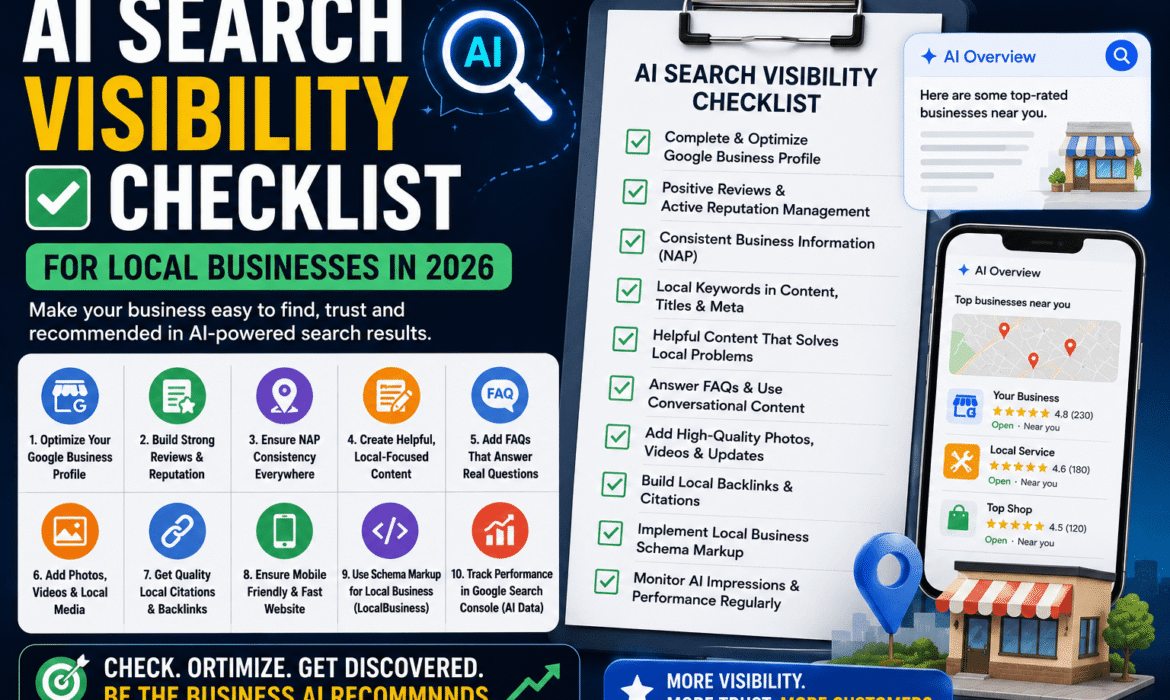
Understanding AI search is one thing. Actually doing something about it is another. If you’ve read up on AI Overviews, AI Mode, and Generative Engine Optimization but aren’t sure where to start, this checklist breaks it down into concrete, actionable steps. No theory here — just a practical AI search visibility checklist you can work through this month.
More people are asking AI tools directly for local recommendations — “best dentist near me,” “reliable plumber in my area,” “good coaching institute for class 12.” When AI assistants answer these questions, they pull from a specific set of signals: accurate business information, clear content, and consistency across the web. Businesses that haven’t set this up are simply invisible in these answers, regardless of how good their actual service is.
AI tools, particularly Google’s own AI Overviews and AI Mode, lean heavily on Google Business Profile data for local recommendations.
If your profile is getting views but not converting them into calls, our guide on getting more phone calls from Google Business Profile walks through this in more depth.
AI tools favor content that directly and clearly answers real questions, rather than vague, sales-heavy pages.
This is the core idea behind Generative Engine Optimization (GEO) — structuring content in a way that’s easy for AI tools to extract and cite accurately.
AI tools cross-reference information across multiple sources. Inconsistency creates doubt, which reduces the likelihood of your business getting recommended confidently.
AI tools tend to favor sources that demonstrate genuine credibility and expertise, not just keyword-optimized pages.
Even the best content won’t get surfaced if AI crawlers and search engines can’t access or understand your site properly.
You can’t improve what you’re not measuring, and AI search visibility now has real tracking tools behind it.
If you’ve worked through this checklist and still aren’t showing up where competitors are, the issue may run deeper than a single fix — often tied to overall content authority, site structure, or how established your online presence is. Our guide on why competitors appear in AI search while your business doesn’t covers the less obvious reasons this happens.
Working through a checklist is a great start, but turning it into consistent, ongoing visibility takes dedicated strategy and monitoring. Baba Advertisers’ digital advertising services help local businesses in Varanasi and beyond build and maintain AI search visibility alongside traditional SEO, so you’re not just checking boxes once, but staying visible as this landscape keeps evolving.
What’s the fastest way to improve AI search visibility for a local business? Starting with your Google Business Profile usually delivers the fastest impact, since AI tools rely heavily on it for local recommendations. Accurate, complete information there makes an immediate difference.
Do I need to rewrite my entire website for AI search? Not necessarily. Focus first on your most important pages — homepage, key service pages, and frequently asked questions — restructuring them to answer questions clearly and directly.
How is AI search optimization different from traditional SEO? Traditional SEO focuses on ranking in search results, while AI search optimization focuses on getting cited or referenced within AI-generated answers, which relies more heavily on clarity, consistency, and direct answers.
How often should I check my AI search visibility? Checking monthly is a reasonable starting point, since AI search features and how they surface information continue to evolve regularly.
Is this checklist relevant for every type of local business? Yes, the fundamentals — accurate business information, clear content, and consistency — apply across virtually every local business category, from healthcare to retail to professional services.
Related Reads:
Ready to actually act on this checklist? Talk to Baba Advertisers — we’ll help you build lasting AI search visibility for your business in 2026
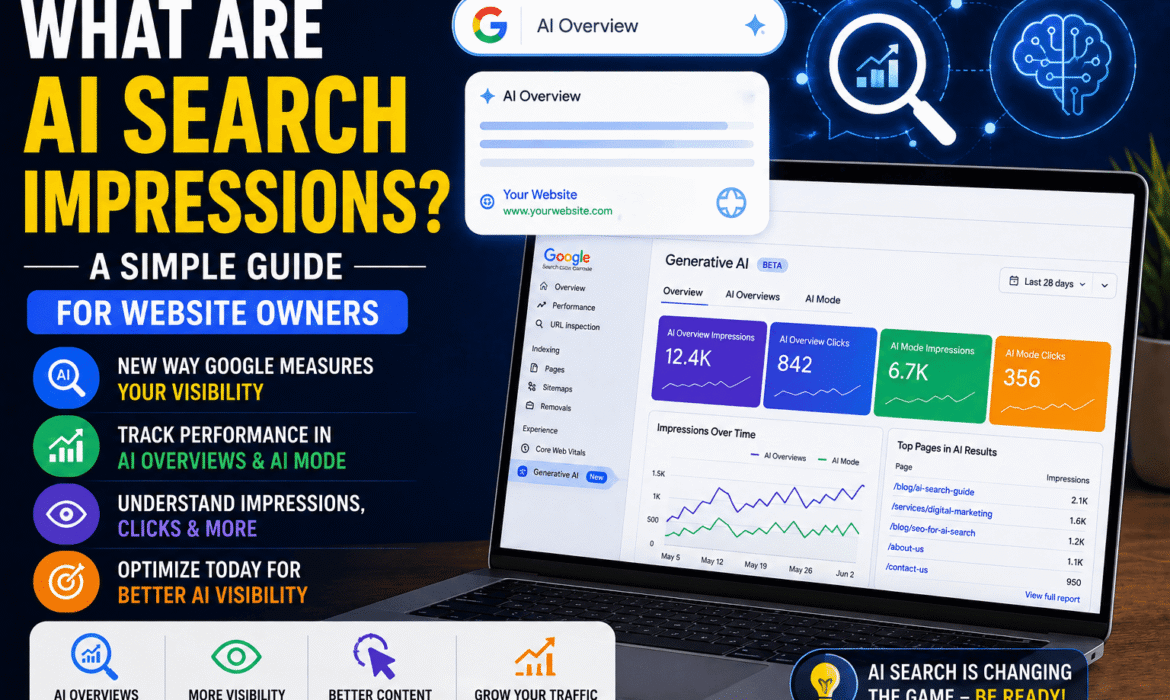
If you’ve started seeing the term “AI search impressions” in marketing conversations, Search Console updates, or agency reports, you’re not alone. The term sounds technical, but the concept is simple once someone explains it plainly. Here’s a straightforward breakdown of what AI search impressions are, why they differ from what you’re used to tracking, and what they actually mean for your business.
Before getting into the AI-specific version, it helps to understand the basic idea. An impression simply means someone saw your website or business — it doesn’t mean they clicked, called, or visited. Say your business appeared in a Google search result and someone saw it, even without clicking. That counts as one impression.
An AI search impression follows the same basic idea, but it applies to Google’s AI-powered features. Think of AI Overviews, the AI-generated summary that sometimes appears at the top of search results, or AI Mode, a more conversational, chat-style search experience. When your website’s content gets pulled into one of these AI-generated answers and a user sees it, that counts as an AI search impression. This happens even if the user never clicks through to your actual website.
Here’s the part that trips people up. With AI search, someone can see your business’s information, get their question fully answered, and never click anywhere at all. The AI summary itself might contain enough of an answer that the user doesn’t need to visit the source website. This means AI impressions measure visibility, not necessarily traffic. That’s an important distinction for understanding what this number actually tells you.
A page can earn strong AI impressions but very few clicks. This happens simply because the AI answer already satisfied the user’s question. It doesn’t necessarily mean something is wrong. It’s just a fundamentally different kind of visibility than businesses have historically tracked through clicks and website visits alone.
Even without a direct click, AI impressions still matter for a few real reasons:
Yes. Google introduced a way to track this directly inside Search Console in mid-2026, through a report dedicated specifically to AI-related visibility. Want a detailed walkthrough of exactly how this works, what it shows, and how to use it? Our in-depth guide on tracking your AI search visibility through Google Search Console covers it step by step.
Not automatically. A high number of AI impressions with very few actual enquiries or website visits might mean your content gets referenced, but not compellingly enough to drive someone to take the next step. This is where the fuller picture matters. Impressions are a starting signal, not the finish line.
This overlaps closely with a broader approach called Generative Engine Optimization (GEO). GEO focuses specifically on how businesses can improve their visibility across AI-powered search tools.
AI search impressions simply measure how often your business shows up inside AI-generated answers, even without a click. They’re a genuinely useful new signal for understanding your visibility in a search landscape that’s shifting fast. They work best when you view them alongside your traditional metrics, not as a replacement for them.
Making sense of new metrics like this, and turning them into an actual strategy, takes real expertise. Baba Advertisers’ digital advertising services handle exactly this kind of work for businesses in Varanasi and beyond — so you’re not just staring at a new number, but actually using it to grow.
What is the difference between an impression and a click in AI search? An impression means an AI-generated answer showed or referenced your content. A click means someone actually visited your website afterward. AI search often generates impressions without corresponding clicks.
Do AI search impressions count as website traffic? No. Impressions only measure visibility, not actual visits. Website traffic gets tracked separately through clicks.
Where can I check my AI search impressions? Google Search Console added a dedicated report for this in mid-2026, showing impressions specifically from AI Overviews, AI Mode, and AI features within Discover.
Is a high number of AI impressions always a good thing? Generally yes, since it means people are seeing your content. But it’s most valuable once it translates into real engagement, not just raw visibility.
How is this different from traditional SEO? Traditional SEO focuses on ranking in standard search results. AI search visibility focuses on whether your content gets referenced or cited within AI-generated summaries and answers — a related but distinct goal.
Related Reads:
Want to understand your business’s AI search visibility? Talk to Baba Advertisers — we’ll help you make sense of the data and turn it into real growth.
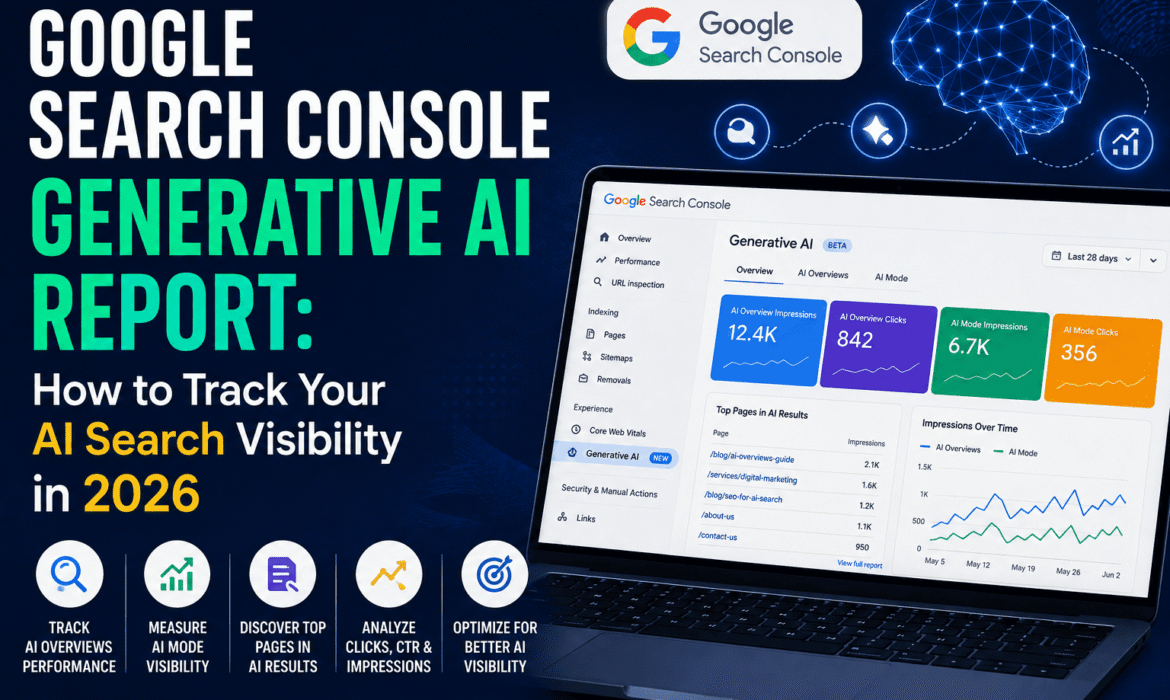
For nearly two years, businesses could sense that AI Overviews and AI Mode were reshaping search. But there was no direct way to measure it. Google quietly folded impressions from these features into standard search data, with no way to isolate them. That changed on June 3, 2026. Google launched a dedicated Generative AI performance report inside Search Console. It gives site owners their first real window into how content performs specifically within AI-driven search features. Here’s what the report shows, what it doesn’t, and how to actually use it.
The Generative AI report is a new section inside Search Console, sitting under the familiar Performance tab. It isolates impressions from Google’s AI-powered features — AI Overviews, AI Mode, and generative AI features within Discover. This data now sits separately from standard organic search data. Before this update, this data existed but blended into overall Performance metrics. That made it impossible to know how much of a site’s visibility came specifically from AI-generated answers versus traditional blue-link results.
The report breaks visibility down across five dimensions:
The Pages dimension is particularly useful for spotting patterns. You can see whether certain content types — guides, blog posts, service pages — earn more AI visibility than others. That insight can directly shape your content strategy going forward.
Here’s the most important limitation to understand before drawing conclusions from the data: the report currently shows impressions only. No clicks, no click-through rate, no query-level data. You can see that your content is appearing inside AI answers. But you can’t yet see how much actual traffic or business value that visibility generates. Google has indicated more metrics will be added over time, but hasn’t confirmed a specific timeline for when click data will arrive.
This gap matters strategically. A page could show strong AI impressions while sending very little actual traffic. AI answers often satisfy the user’s query without requiring a click through to the source at all.
The report began rolling out to a subset of UK-based site owners first. This ties in part to regulatory requirements from the UK’s Competition and Markets Authority, with a phased global expansion following. Access requires no opt-in. If your property is included in the rollout, the report simply appears in your Search Console navigation. If you don’t see it yet, it may be a rollout timing issue. Your site may also not be generating enough AI impressions yet to populate the report.
Alongside the reporting update, Google also introduced a toggle that lets site owners block their content from appearing in AI features entirely, without affecting standard organic rankings. For most small businesses, opting out isn’t the right move. AI features are becoming an increasingly significant discovery surface. Removing yourself from them means voluntarily giving up visibility on a fast-growing part of search, right as it’s finally becoming measurable.
This report only covers Google’s own AI surfaces — AI Overviews, AI Mode, and Discover. It doesn’t include visibility inside ChatGPT, Perplexity, Gemini conversations, or other AI assistants people increasingly use for recommendations. If you’re serious about tracking your presence across the full AI search landscape, treat this Search Console report as a strong starting point, not a complete picture. A broader GEO strategy needs to account for visibility across multiple AI platforms, not just Google’s.
You don’t need to become an SEO analyst to benefit from this report. The core takeaway is simple: content that ranks well in traditional search doesn’t automatically appear inside AI answers, and vice versa. A well-structured, clearly written page can earn strong AI citations even without a top organic ranking. This reinforces something increasingly important for small businesses. Understanding why competitors show up in AI search while your business doesn’t often comes down to content structure and clarity, not just traditional SEO signals.
Reading this data correctly, and turning it into an actual content and optimization strategy, takes more than checking a dashboard occasionally. Baba Advertisers’ digital advertising services help businesses in Varanasi and beyond monitor AI search visibility alongside traditional SEO — so you’re not just seeing the data, you’re acting on it.
What is the Google Search Console Generative AI report? It’s a dedicated report launched in June 2026 that shows how often your site’s pages appear within Google’s AI Overviews, AI Mode, and generative AI features in Discover, separate from standard organic search data.
Does the report show how many clicks I’m getting from AI Overviews? No, not currently. The report shows impressions only — click data and query-level information haven’t been added yet, though Google has said more metrics are coming over time.
Why don’t I see the Generative AI report in my Search Console yet? The rollout is phased, starting with a subset of UK-based sites before expanding globally. Your site may also not be generating enough AI impressions yet to populate the report.
Should I opt out of appearing in AI Overviews and AI Mode? For most small businesses, no. Opting out means giving up visibility on a fast-growing part of search, right as it’s finally becoming measurable, without any clear benefit to standard rankings.
Does this report track visibility on ChatGPT or other AI tools? No, it only covers Google’s own AI features. Tracking visibility across other AI assistants requires a separate, broader GEO approach.
Related Reads:
Want to know how visible your business actually is in AI search? Talk to Baba Advertisers — we’ll help you track and improve your AI search visibility in 2026.
With so much marketing conversation centered on Instagram reels, Google Ads, and AI search, it’s easy to assume newspaper advertising has quietly faded away. The data tells a more interesting story. In India specifically, newspaper advertising in 2026 remains a genuinely effective channel — not despite digital’s rise, but often alongside it. Here’s what the numbers actually show, and where print still earns its place in a modern marketing budget.
In many Western markets, newspaper advertising has been in steady decline for years as digital alternatives took over ad budgets. India tells a different story. India remains the world’s largest newspaper market, with over 400 million daily readers and more than 17,000 active publications across 22+ languages. Unlike markets where print readership has collapsed, a large share of Indian readers — particularly outside major metros — still rely on newspapers as a primary, trusted source of information.
India’s newspaper advertising market was forecasted to reach roughly $2.02 billion in ad spending in 2025, reflecting a market that’s evolving rather than disappearing. This matters directly for businesses in cities like Varanasi, where regional and Hindi-language dailies continue to command strong, loyal readership.
Across markets, print advertising continues to enjoy a trust advantage that digital ads often struggle to match — readers are more likely to trust an ad they see in a newspaper than one that appears in their social feed. For categories like healthcare, real estate, education, and financial services, this trust factor can meaningfully influence a customer’s decision to reach out.
Newspaper ads benefit from remarkably high visibility compared to many digital formats — a large majority of print ads placed are actually seen, compared to much lower open rates for channels like email marketing. Readers engaging with a physical newspaper tend to be more focused and less distracted than someone quickly scrolling past a feed.
Print advertising, done well, continues to deliver solid returns — industry estimates put average print advertising ROI at around 130%. Newspapers are also particularly effective for announcing something time-specific: a sale starting tomorrow, a store opening this weekend, an event happening in a few days. This kind of urgent, date-based communication is where print consistently performs well, driving spikes in awareness that digital campaigns sometimes take longer to build.
Regional and Hindi-language dailies typically offer a significantly lower cost per thousand readers compared to national English dailies, while still delivering strong local relevance. For a Varanasi-based business targeting a local audience, this makes regional newspaper advertising a genuinely efficient way to reach a large, relevant audience.
| Factor | Newspaper Advertising | Digital Advertising |
|---|---|---|
| Trust Level | Generally higher, especially locally | Varies, often lower for cold audiences |
| Reach Type | Broad, local/regional | Targeted, interest and behavior-based |
| Best For | Announcements, local trust-building, considered purchases | Direct leads, measurable conversions, retargeting |
| Measurability | Harder to track precisely | Highly trackable |
| Cost Structure | One-time placement cost, varies by size/edition | Ongoing spend, scalable in real time |
The most effective approach for most businesses in 2026 isn’t choosing between print and digital — it’s combining them strategically. Newspaper ads build broad, trusted local awareness, while digital advertising captures and converts the people actively searching once that awareness exists. Businesses that treat print as a complement to digital, rather than a replacement or an outdated relic, tend to see the strongest overall results.
Choosing the right publication, format, and placement makes a significant difference in how much return your newspaper ad actually delivers. Baba Advertisers’ newspaper advertising services handle everything from strategy and creative design to placement across Varanasi’s leading publications, backed by 28+ years of experience and 200+ newspaper partnerships. We also help businesses combine print with radio and TV advertising and outdoor advertising for a genuinely integrated campaign.
Is newspaper advertising still effective in 2026? Yes, particularly in India, where newspapers remain a trusted, widely-read medium. It’s especially effective for local trust-building, event announcements, and reaching audiences digital hasn’t fully captured.
Is newspaper advertising better than digital advertising? Neither is universally better — newspaper advertising builds trust and broad local awareness, while digital advertising offers precise targeting and measurable conversions. Combining both often delivers the strongest results.
What kind of businesses benefit most from newspaper ads? Healthcare, real estate, education, and local service businesses tend to benefit most, since these categories rely heavily on trust and local credibility.
Are newspaper ads expensive? Costs vary significantly by publication, city, and ad size. Regional and Hindi-language dailies are generally more cost-effective than national English dailies while still delivering strong local reach.
Can newspaper advertising be tracked like digital ads? Not as precisely. Newspaper advertising is harder to measure in real time compared to digital campaigns, though methods like dedicated phone numbers or promo codes can help track response.
Related Reads:
Thinking about newspaper advertising for your business? Talk to Baba Advertisers — 28+ years of experience and 200+ newspaper partnerships in Varanasi, ready to help you plan a campaign that actually works.
One of the first questions every small business owner asks before reaching out to an agency is simple: what’s this actually going to cost me? The honest answer is that digital marketing cost for a small business in India in 2026 depends heavily on which services you need, your industry, and how competitive your market is. This guide breaks down real, practical budget ranges across SEO, Google Ads, social media, and website work — so you can plan with confidence instead of guessing.
There’s no single number that applies to every business, but most small businesses in India spend anywhere from ₹15,000 to ₹1,00,000+ per month on digital marketing, depending on the mix of services, city, and how aggressively they’re trying to grow. A local business just starting out with one or two services will sit at the lower end, while a business running multiple campaigns across SEO, ads, and social media simultaneously will naturally spend more.
Note: These are general industry ranges meant to help you plan a realistic budget, not fixed quotes. Actual costs depend on your specific goals, competition, and the agency or freelancer you work with.
Most digital marketing packages bundle a combination of these core services, rather than offering just one in isolation:
Packages vary widely — some agencies bundle everything into one monthly retainer, while others price each service separately, so it’s worth understanding what’s actually included before comparing quotes.
| Package Type | Typical Monthly Range |
|---|---|
| Basic local SEO (single location) | ₹8,000 – ₹20,000 |
| Mid-level SEO (content + technical) | ₹20,000 – ₹45,000 |
| Advanced/competitive industry SEO | ₹45,000 – ₹1,00,000+ |
SEO costs more in competitive industries (like legal, healthcare, or real estate) and in cities with higher competition. It’s also a longer-term investment — most businesses start seeing meaningful results after 3 to 6 months of consistent work, not immediately.
Google Ads pricing has two separate components: your actual ad spend (paid directly to Google) and the management fee (paid to whoever runs your campaigns).
For a detailed breakdown of what actually drives Google Ads costs by industry, our dedicated guide on Google Ads cost in India covers this in more depth.
Social media packages usually depend on posting frequency, content quality, and whether paid promotion is included:
| Package Type | Typical Monthly Range |
|---|---|
| Basic (organic posting only) | ₹8,000 – ₹18,000 |
| Mid-level (content + light ad spend) | ₹18,000 – ₹40,000 |
| Advanced (full content + strategy + ads) | ₹40,000 – ₹80,000+ |
If you’re weighing whether to prioritize social media or search-based advertising first, our comparison of Facebook Ads vs Google Ads can help you decide where your budget will work hardest.
Website costs are typically a one-time investment (with ongoing hosting/maintenance), while content marketing is usually an ongoing monthly cost:
A well-built website matters more than most businesses realize, since it’s often where all your other marketing efforts — ads, SEO, social media — ultimately send people.
As a general starting point:
The right number ultimately depends on your industry, how much a single customer is worth to your business, and how aggressively you want to grow — a business with high customer lifetime value can often justify a larger marketing budget than one with thin margins.
| Factor | Agency | Freelancer |
|---|---|---|
| Cost | Generally higher | Generally lower |
| Range of skills | Full team (SEO, ads, design, content) | Usually specializes in one or two areas |
| Consistency | More reliable, less risk of disruption | Can be affected by availability or turnover |
| Strategy | Typically more structured, data-driven | Varies widely by individual |
| Best for | Businesses wanting a complete, managed strategy | Businesses needing one specific, well-defined task |
Freelancers can be a good fit for a single, narrow task, but businesses looking for a coordinated strategy across SEO, ads, and social media usually get better long-term value from an agency that can manage everything together.
If you’re specifically researching a best advertising agency in Varanasi, it’s worth comparing not just pricing, but how transparently an agency explains its process and results.
For most small businesses, yes — provided the budget is spent with a clear strategy rather than spread thin across too many services at once. Businesses that see the strongest returns usually start with one or two focused services, track results carefully, and scale up spending only once they understand what’s actually working for their specific market.
Every business’s ideal digital marketing budget looks a little different depending on industry, goals, and competition. Baba Advertisers helps small businesses in Varanasi and beyond build a realistic, results-focused marketing budget — combining SEO, Google Ads, social media, and website work into a strategy that’s actually sized right for your business.
How much does digital marketing cost in India? Most small businesses spend between ₹15,000 and ₹1,00,000+ per month, depending on the mix of services, industry, and competition level.
What is the minimum budget for digital marketing? A basic starting budget of around ₹15,000–₹20,000/month can cover one focused service, like local SEO or a small Google Ads campaign, though results will naturally scale with a larger investment.
How much does SEO cost per month? Local SEO typically starts around ₹8,000–₹20,000/month, while more advanced or competitive-industry SEO can range from ₹20,000 to ₹1,00,000+ per month.
How much should a small business spend on Google Ads? Many small businesses start with ₹15,000–₹30,000/month in ad spend, plus a separate management fee, and scale up based on performance and results.
Is digital marketing worth it for a small business? Yes, when it’s approached with a clear strategy and realistic budget — businesses that focus on one or two services first and track results tend to see the strongest returns.
How do I choose a digital marketing agency in Varanasi? Look for an agency with local market experience, transparent pricing, clear reporting, and a strategy tailored to your specific industry rather than a one-size-fits-all package.
Related Reads:
Not sure what digital marketing budget makes sense for your business? Talk to Baba Advertisers — we’ll help you build a plan that fits your goals and budget.
Marketing in 2026 is moving faster than ever, and the businesses pulling ahead aren’t necessarily spending more — they’re spending smarter, in the right places. From how AI is reshaping campaigns to how people are searching in the first place, digital marketing trends 2026 are less about chasing every new tool and more about understanding which shifts actually affect how customers find and choose businesses. Here are the ten trends worth paying attention to this year.
AI is no longer a side experiment — it now sits at the center of how many campaigns are planned and run, supporting content creation, performance optimization, and audience targeting in real time. Marketers are increasingly using AI to analyze behavior, generate content variations, and refine campaigns as they go, shifting their own role toward interpreting data and guiding strategy rather than just executing it. For small businesses, this means AI tools are becoming genuinely useful for day-to-day marketing, not just a buzzword for large brands.
As more people turn to ChatGPT, Gemini, and Perplexity for recommendations instead of typing into Google, optimizing for how AI tools discover and recommend businesses has become essential alongside traditional SEO. If you’re wondering how this actually works for your business, our guide on what GEO actually means breaks it down further, and it’s worth checking why competitors are appearing in AI search results while some businesses stay invisible.
Generic, one-size-fits-all marketing is losing ground fast. Personalization has become a defining theme for 2026, with a large majority of consumers reporting they’re more likely to buy from brands that deliver personalized content. For small businesses, this doesn’t require expensive tools — it can be as simple as tailoring offers, messaging, and follow-ups based on what a customer has already shown interest in.
With privacy regulations tightening and third-party tracking becoming less reliable, businesses are shifting toward first-party data — information customers directly share with you, like enquiries, form fills, and repeat purchases. Marketers who build campaigns around high-integrity, human-centered data are increasingly the ones leading their industries in 2026. This makes having a proper system to capture and use enquiry data more important than ever, something worth revisiting alongside your lead generation strategy.
More people are using voice assistants to search for local businesses, which means content needs to sound more natural and conversational, matching how people actually speak rather than how they type. This ties closely into how content is optimized for both traditional search and AI-driven answers.
A growing share of searches are answered directly on the search results page or by an AI assistant, without the user ever clicking through to a website. Businesses that structure their content to directly and clearly answer common questions are better positioned to be the source AI tools pull from, even when the click doesn’t happen.
Short videos, reels, and increasingly AR/VR-style interactive content are driving stronger engagement than static posts or text-heavy content. Businesses that lean into quick, visual storytelling are seeing stronger reach, particularly on Instagram and similar platforms — a trend worth combining with a clear strategy for converting followers into actual leads.
2026 is also seeing a shift toward creator-led content and social commerce, alongside AI-driven personalization and immersive formats like AR/VR reshaping how customers make decisions. For small businesses, this often means partnering with local creators or building a more authentic, less polished content style resonates more than heavily produced ads.
Platforms are increasingly using AI to automatically adjust bids, test ad variations, and optimize targeting in real time, reducing the manual guesswork that used to dominate campaign management. A significant share of marketers now say they specifically want to use AI predictive models to forecast campaign performance before a campaign even goes live. This is changing how budgets like Google Ads spending are planned and optimized throughout the year.
With AI search tools increasingly pulling local business information directly from Google Business Profile, keeping your listing complete, active, and optimized has become one of the highest-impact, lowest-cost trends for local businesses to act on. If your profile isn’t converting views into real enquiries, our guide on getting more phone calls from Google Business Profile is a good place to start.
Not every trend on this list needs to be tackled at once. The businesses seeing real results in 2026 are focusing on a few key shifts — AI search visibility, a complete Google Business Profile, first-party data capture, and short-form content — rather than spreading themselves thin across every new tool that appears.
Keeping up with these shifts while running a business is genuinely difficult, which is exactly why more small businesses are turning to a dedicated team to manage it. Baba Advertisers’ digital advertising services help businesses in Varanasi and beyond build a strategy that combines AI search readiness, local SEO, social media, and paid advertising into one cohesive plan built for 2026 and beyond.
What is the biggest digital marketing trend in 2026? AI integration across the entire customer journey — from content creation to ad optimization to search visibility — is the most significant shift shaping digital marketing in 2026.
Do small businesses need to worry about AI search optimization? Yes. As more people use AI tools like ChatGPT and Gemini to find recommendations, businesses that haven’t optimized for AI search risk losing visibility to competitors who have.
Is short-form video still effective for marketing in 2026? Yes, short-form and immersive content continue to drive stronger engagement than static or text-heavy content, especially on platforms like Instagram.
Why is first-party data becoming more important? As privacy regulations tighten and third-party tracking becomes less reliable, data that customers directly share with a business is becoming the most reliable foundation for personalized marketing.
How can a small business keep up with all these trends? Focusing on a few high-impact areas — like a complete Google Business Profile, AI search readiness, and consistent short-form content — is more effective than trying to adopt every trend at once.
Related Reads:
Want a marketing strategy actually built for 2026? Talk to Baba Advertisers — we’ll help you focus on the trends that actually move the needle for your business.